
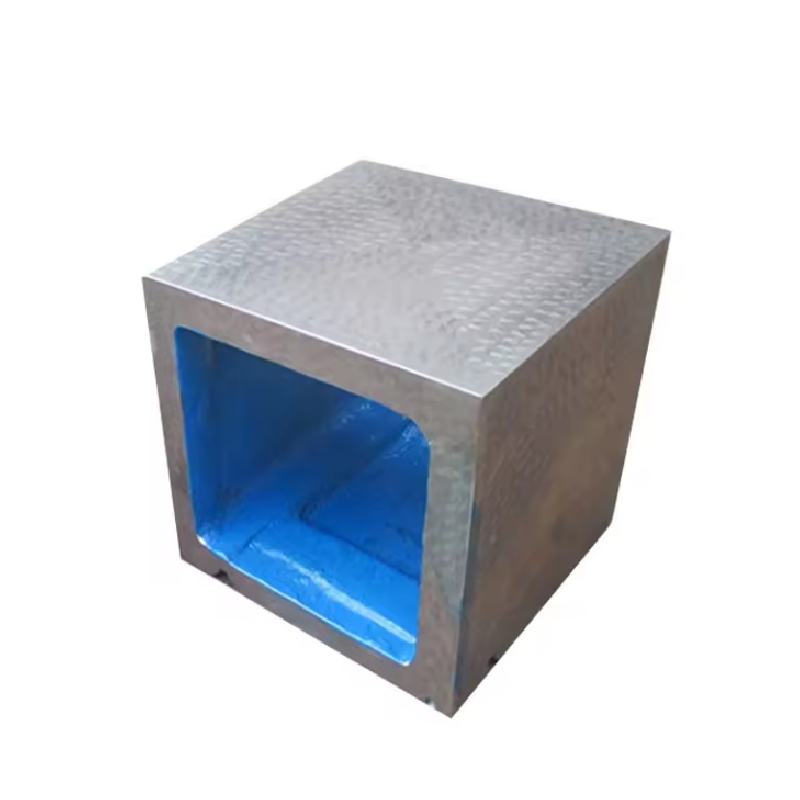
laminated glass car windows
How to Replace a Water Valve A Step-by-Step Guide Water valves play a crucial role in plumbing systems, controlling the flow of water to various fixtures in your home. Over time, these valves can wear out, resulting in leaks or reduced water pressure. If you notice problems with your water valve, it may be time for a replacement. This guide will walk you through the step-by-step process of replacing a water valve, ensuring that you can tackle this task safely and efficiently. Tools and Materials Needed Before you begin, make sure you have the following tools and materials on hand - Replacement water valve (ensure you choose the correct size and type) - Pipe wrench or adjustable pliers - Screwdriver (flathead and Phillips, depending on your valve) - Teflon tape or plumber’s tape - Bucket or container (to catch any water) - Towels or rags (for drying up spills) Step 1 Turn Off the Water Supply The first and most important step is to turn off the main water supply to your home to prevent any leaks or flooding during the process.Locate the main shut-off valve, usually found near the water meter, and turn it clockwise until it stops. Open a faucet on a lower level to drain any residual water in the pipes. Step 2 Locate the Water Valve Identify the water valve you need to replace. Water valves may be located near fixtures like sinks, toilets, or washing machines. They are typically connected to pipes leading into the appliance. Step 3 Remove the Old Water Valve 1. Disconnect the Supply Line Use a pipe wrench or adjustable pliers to loosen and disconnect the water supply line from the valve . Have your bucket or container ready to catch any remaining water that may spill out. 2. Remove the Valve Once the supply line is disconnected, you can remove the old valve. Depending on the type of valve (such as ball or gate valves), you may need to unscrew it from the pipe with a wrench. Turn the valve counterclockwise to fully detach it. Step 4 Prepare to Install the New Valve how to replace water valve Before installing the new valve, clean the threads on the pipe where the old valve was attached. This will ensure a snug fit and help prevent leaks. If the threads are damaged, you may need to replace the section of pipe. Step 5 Install the New Water Valve 1. Apply Teflon Tape Wrap Teflon tape around the threads of the pipe. This tape helps create a watertight seal and makes it easier to screw the new valve onto the pipe. 2. Attach the New Valve Screw the new water valve onto the pipe, turning it clockwise. Use your pipe wrench to tighten it securely, but be careful not to overtighten, as this might damage the valve or the pipe. Step 6 Reconnect the Water Supply Line Reattach the water supply line to the new valve. Again, use your pipe wrench or pliers to tighten this connection securely. Ensure that the fittings are snug, as leaks can occur if they are too loose. Step 7 Check for Leaks Once everything is connected, it’s time to turn the water supply back on. Go to the main shut-off valve and turn it counterclockwise to restore the water flow. Afterward, check the new valve and the connections for any signs of leaking. If you notice any leaks, turn off the water again and tighten the connections as needed. Step 8 Final Checks and Cleaning Up After ensuring there are no leaks, turn on the faucet connected to your new valve to purge any air from the system and verify that water is flowing properly. Once you are satisfied with your work, clean up your workspace, putting away tools and disposing of any old parts. Conclusion Replacing a water valve may seem daunting at first, but with the right tools, materials, and careful attention to detail, it can be a manageable DIY project. Always prioritize safety by ensuring the water supply is off and take your time throughout the process. With this guide, you should be well-equipped to tackle that valve replacement with confidence. Happy plumbing!
about
laminated glass car windows
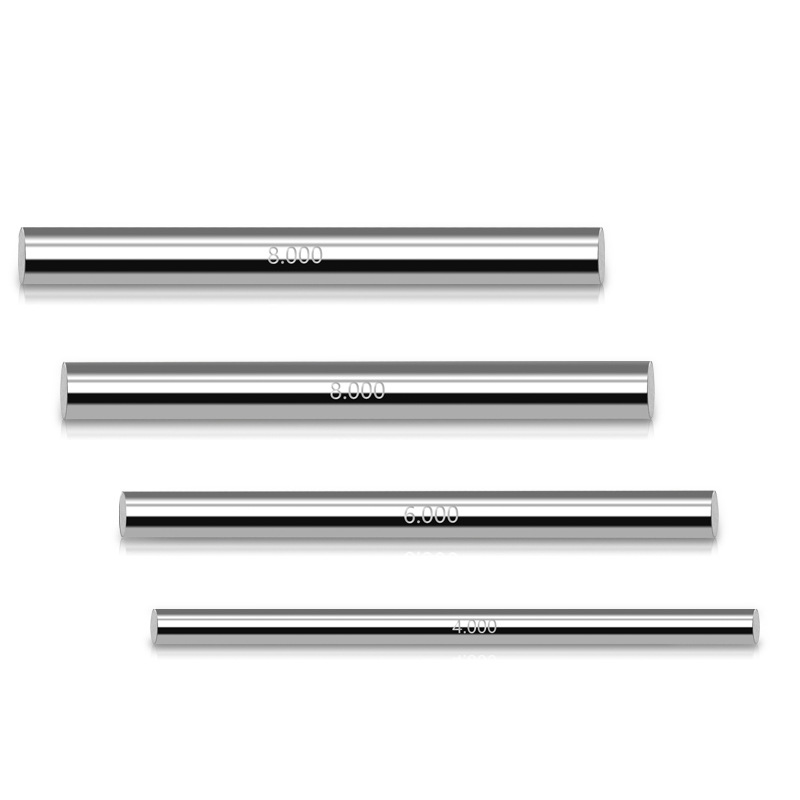
Understanding the Importance of Pin Gauge Sets In the world of precision measurement and quality control, pin gauge sets hold a significant position. These tools are essential for engineers, machinists, and quality assurance professionals who rely on absolute accuracy in their work. This article delves into the purpose, use, and benefits of pin gauge sets, further highlighting their critical role in various industrial applications. What is a Pin Gauge Set? A pin gauge set consists of a collection of cylindrical pins, each manufactured to a specific diameter. These pins are typically made from high-strength steel or other durable materials to withstand consistent use. The diameters of the pins vary, allowing users to determine the clearance or the fit between two surfaces accurately. Pin gauges can be precision-ground and are marked with their respective sizes for easy identification. Pin gauge sets are often categorized into two main types external and internal . External pin gauges are used to measure the dimensions of holes and slots, while internal pin gauges are utilized to assess the size of bores and other enclosed spaces. The range of sizes in a pin gauge set allows for comprehensive measurement options in different applications. Applications of Pin Gauge Sets Pin gauge sets are indispensable in various sectors, including manufacturing, aerospace, automotive, and construction. In manufacturing, they are used to ensure the quality of machined parts, assessing whether components meet the required specifications. Precision measurement helps prevent manufacturing defects, which can save companies time and money in the long run. In the aerospace industry, pin gauges are crucial for maintaining the stringent quality requirements of aircraft components. Any deviation from specified tolerances can have serious consequences, making accurate measurement imperative. Similarly, in automotive manufacturing, pin gauges help ensure that parts fit together correctly, contributing to the overall safety and efficiency of vehicles. pin gauge set Moreover, pin gauges play a role in educational settings, particularly in engineering and manufacturing courses. They allow students to understand the principles of measurement, tolerance, and quality control, bridging the gap between theoretical knowledge and practical application. Benefits of Using Pin Gauge Sets The use of pin gauge sets offers several benefits. First and foremost, they provide unmatched accuracy and precision. Unlike other measuring tools, pin gauges can measure dimensions down to fractions of a millimeter, which is essential for applications requiring high precision. Additionally, pin gauges are incredibly versatile. They can be used to gauge a wide variety of dimensions and are effective in measuring both internal and external surfaces. Their ease of use also adds to their appeal; users can quickly select the appropriate gauge size and perform measurements with minimal setup. Moreover, pin gauges are durable and long-lasting when properly maintained. They are resistant to wear and tear, making them a cost-effective solution for businesses that rely on precision measurement. Regular calibration ensures that the gauges maintain their accuracy over time, further enhancing their reliability. Conclusion In conclusion, pin gauge sets are fundamental tools in the realm of precision measurement. Their applications across various industries underscore their importance in ensuring quality and accuracy. The ability to provide precise measurements makes them invaluable for engineers and quality control professionals alike. As industries continue to push the boundaries of manufacturing and technology, the relevance of pin gauge sets will remain significant, embodying the principles of precision and excellence in measurement.
-

High quality industrial productsagement

High quality industrial products
View Details -

Meet the diverse needs of customers

Meet the diverse needs of customers
View Details -

Strict quality control

Strict quality control
View Details -

Top raw materials

Top raw materials
View Details -

Trusted supplier

Trusted supplier
View Details
Our application


news and information
Water Flow Control Using Valve Mechanisms for Efficient Management
The Importance of Valve Water Management in Modern Industry In today's industrial landscape, effecti

vandkontrolventil 3 4
Vandprocent Tjekventil 3/4 En Nødvendighed i VVS-Installationer I enhver VVS-installation er der ele
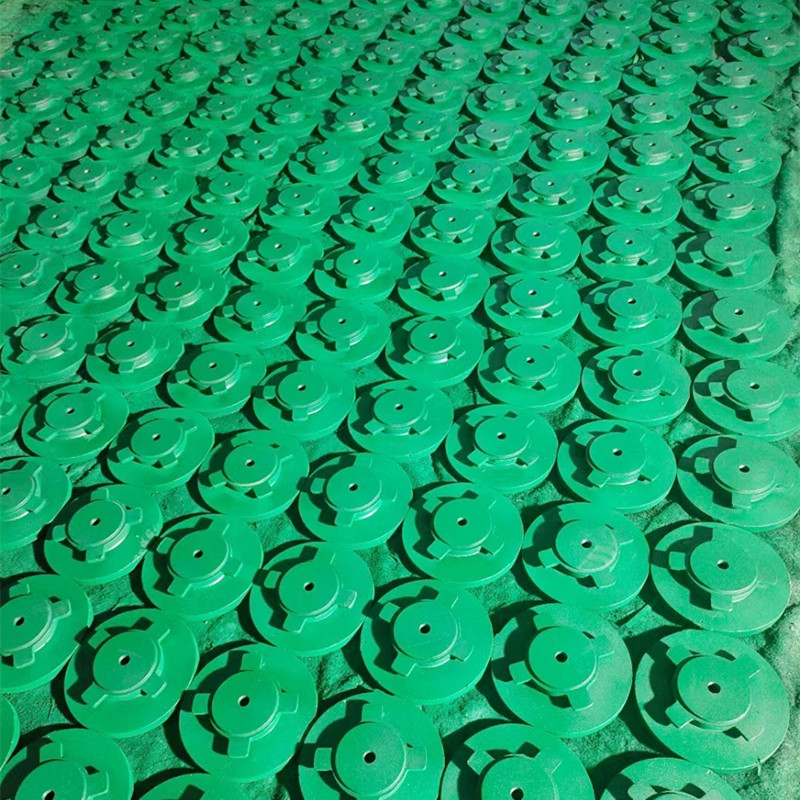
Versatile Wood Connection Brackets for Enhanced Structural Support and Easy Assembly Solutions
The Versatility of Wood Connector Brackets in DIY Projects Wood connector brackets are essential com
 English